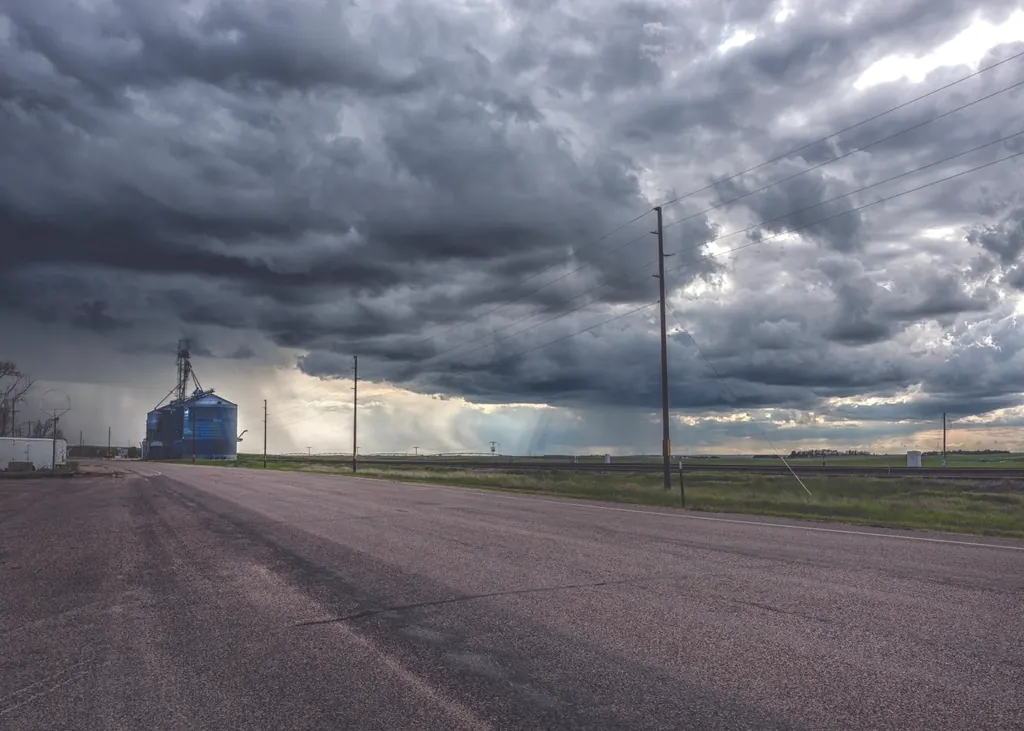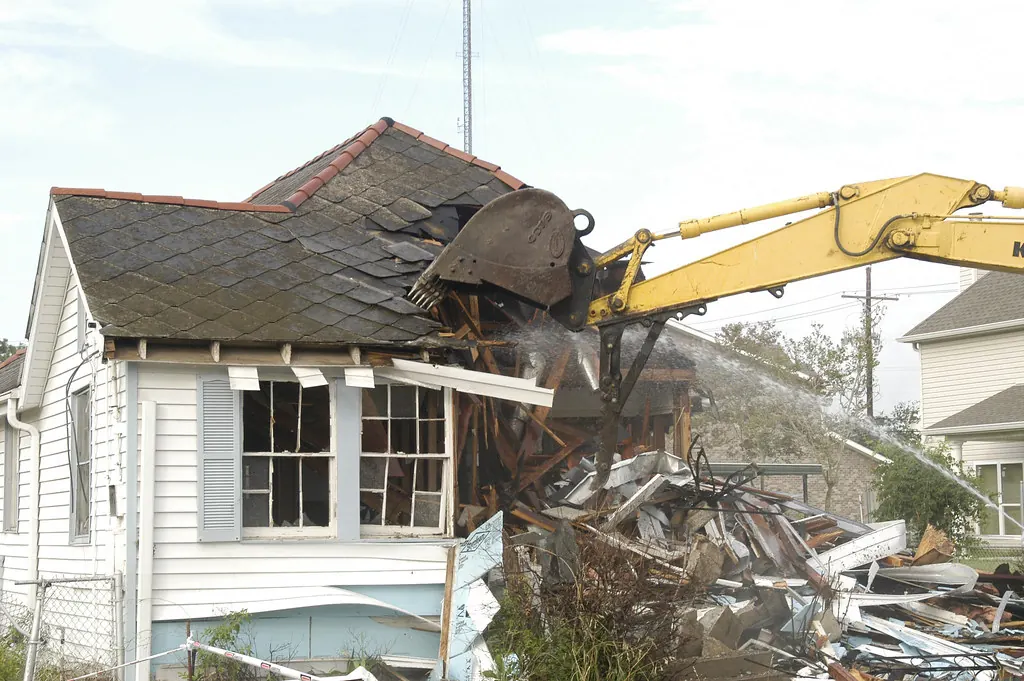
Tornadoes are a fact of life across Missouri, and the state has seen some of the most destructive storms in modern memory. The Joplin tornado of May 22, 2011 leveled large parts of that city, and the Jefferson City tornado of May 22, 2019 damaged homes and businesses across the capital. For owners whose homes are destroyed or heavily damaged, the insurance claim becomes a long project of its own. Knowing where valuation disputes tend to arise can help you prepare.
What a total loss means under your policy
“Total loss” sounds simple, but it can mean different things. A home may be physically destroyed, or it may still be standing but damaged so badly that repair would cost more than rebuilding. Either way, the policy’s loss settlement provisions decide how the claim is paid.
Key items to check on your declarations page and in the policy include:
- The dwelling limit and whether it was kept up to date
- Whether the dwelling is insured for replacement cost or actual cash value
- Any extended replacement cost endorsement
- Whether you must rebuild, and where, to receive full replacement cost
Many replacement cost policies pay actual cash value first and release the rest, often called recoverable depreciation or holdback, after you rebuild. Some limit how long you have to finish. Note those deadlines early, because a full rebuild can take a long time.
Debris removal and site costs
After a tornado, cleanup can be a major expense: hauling away what remains of the house, removing fallen trees and clearing the foundation. Many policies include debris removal within the dwelling limit, with a modest additional amount available if the limit is exhausted. Some treat tree removal separately, with its own lower limit.
Disputes often arise over what debris removal costs, whether removing a damaged foundation is included and how much of the cleanup relates to covered property rather than a neighbor’s. Keep invoices, photos of the debris and the contractor’s load tickets.
Ordinance or law and code upgrades
When a home is rebuilt, it generally must meet the building codes in effect when the work is permitted, not the codes from when it was first built. Upgrades can include stronger roof-to-wall connections, electrical changes, energy code requirements and other items, depending on the local jurisdiction.
Standard policies often provide limited ordinance or law coverage, frequently expressed as a percentage of the dwelling limit, and some owners have bought more. Disputes arise over which items are true code requirements, whether the local authority actually enforces them and how they should be priced. A letter from your local building department or a code review from your contractor can help settle those questions.
Contents and additional living expenses
Contents
After a total loss, rebuilding a contents inventory from memory is one of the hardest parts of the claim. Use photos and videos from phones and social media, bank and credit card statements, and online order histories. Go room by room, including closets, the garage, the basement and any outbuildings. Many policies pay actual cash value first and the remainder after you replace items.
Additional living expense
Loss of use or additional living expense (ALE) coverage typically pays the increase in your normal living costs while the home is unlivable, such as rent, extra mileage and higher food costs. It often has a dollar limit, a time limit or both. Keep receipts and track your usual expenses so you can show the difference.
Why valuation disputes arise after tornadoes
After a major tornado, demand for contractors and materials can surge, and estimates written from standard price lists may not reflect what it actually costs to rebuild in that market at that moment. Other common sources of disagreement include:
- Whether the home is a total loss or can be repaired
- The quality and features of the original home, especially when it was destroyed and few photos survive
- Reusing versus replacing the foundation
- Depreciation on a home that was well maintained
- Overhead and profit for a general contractor coordinating many trades
Tornado claims can also involve straight-line wind damage in surrounding areas, which is usually covered under the same windstorm peril. Either way, the argument is often about numbers rather than coverage.
Where appraisal fits in a rebuild
If you and the insurer agree the tornado damage is covered but can’t agree on the cost to rebuild, appraisal may be an option under your policy. Depending on the wording, it can address the dwelling, other structures, contents and sometimes ALE. It won’t resolve whether you were underinsured or whether a particular exclusion applies; those are coverage or legal questions for a Missouri attorney.
For more, see our tornado and straight-line wind appraisal page. Our claim toolkit includes calculators and a calendar to help you keep track of rebuild deadlines. Nothing here is legal advice, and your policy controls.