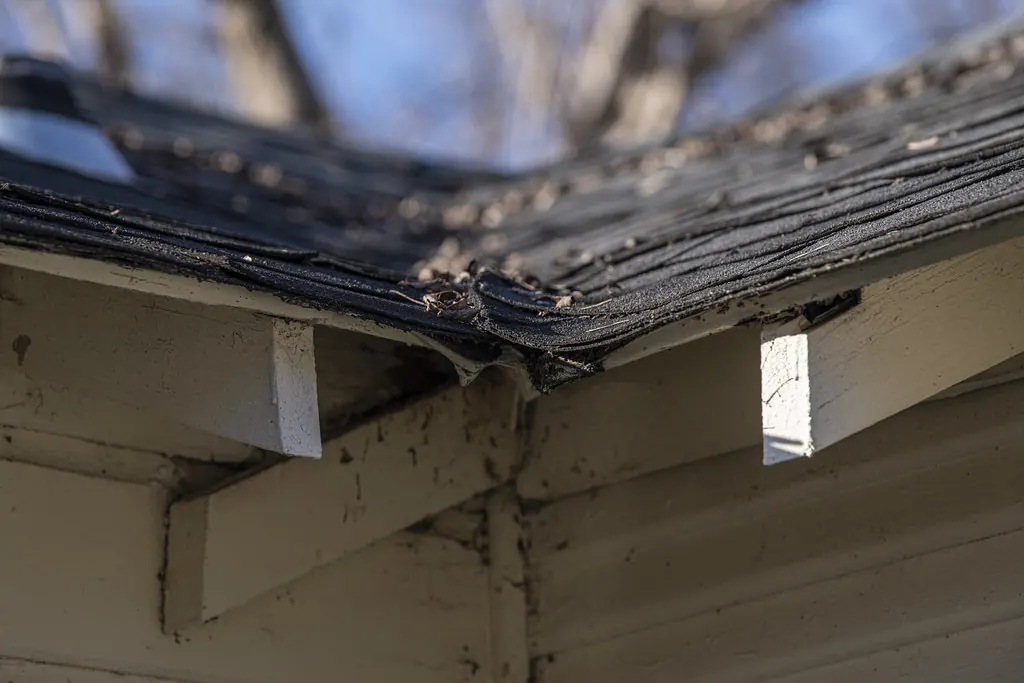
Why this dispute is so common here
Missouri sees hail most springs, from the Kansas City suburbs to the St. Louis metro and the Ozarks. Hail rarely hits every slope evenly, so estimates often split the difference: replace one slope, repair a few squares on another. Whether that’s a reasonable repair depends on the damage, the materials and, often, whether matching shingles exist.
How to use the splitter
- List each roof slope with its size in squares and the number of damaged squares.
- Enter a repair price per square and a full replacement price per square. Repairs usually cost more per square.
- Add the minimum charge a roofer would bill per repair visit, and your deductible.
- Tick the matching box if the existing shingle is discontinued.
What the numbers tell you
When damaged squares spread across most slopes, or matching materials aren’t available, the repair scope can approach the cost of replacement while leaving a patched roof. That’s a common subject of hail damage appraisal. Whether your policy requires matching, and how far, depends on its wording. This tool is for planning only. It doesn’t interpret your policy, and the figures you enter are illustrative.
Questions about this tool
Is there a rule for when a roof must be replaced?
Not a single number. It depends on the damage, repairability, material availability and policy wording. Many disputes turn on those facts.
Does my policy have to pay for matching?
That depends on the policy language and the facts. Some policies address matching directly; others don’t. A Missouri attorney can explain the legal side.
Why is repair priced higher per square?
Small repairs carry set-up time, minimum charges and careful work around existing shingles, so the per-square cost runs higher.