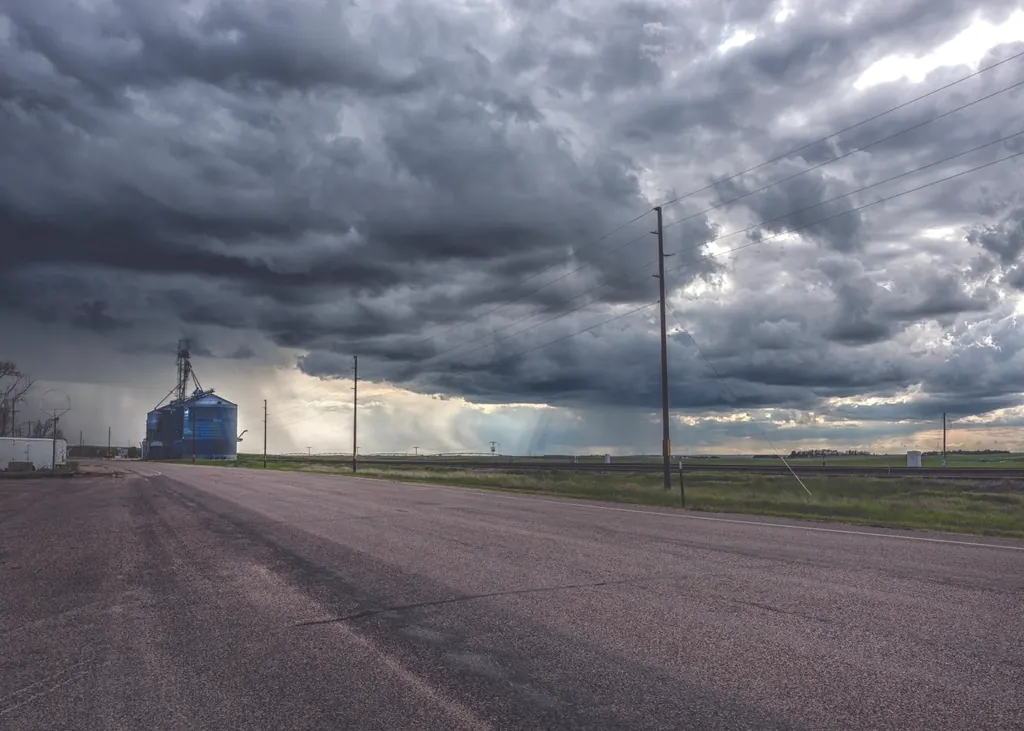
Hail is one of the most common reasons Missouri homeowners file property claims, and roof damage is one of the most common reasons those claims end up in dispute. The trouble is rarely whether hail fell. It’s usually how much damage it did, whether that damage counts under your policy and what a proper repair costs. Good documentation, gathered early, answers most of those questions before they turn into arguments.
Missouri’s hail season and why timing matters
Hail can fall in Missouri in almost any month, but the busiest stretch generally runs from spring into early summer, when strong thunderstorms track across the state. The St. Louis area has seen some memorable events. The April 10, 2001 hailstorm along the I-70 corridor is often cited as one of the costliest hail events in the region’s history, battering roofs, siding and vehicles across a wide swath of the metro.
Timing matters for two reasons. First, many policies require prompt notice of a loss, and some set a specific window for reporting wind or hail claims. Second, Missouri roofs often take more than one hit over a few years. The longer you wait, the harder it becomes to show which storm caused which damage. Note the date of the storm, save local weather reports and photograph your roof and yard as soon as it’s safe.
What to document on the roof and around the house
Adjusters and appraisers look for a consistent pattern of damage that fits a specific storm. Help them see it.
Soft metals and collateral damage
Dents in soft metals are some of the clearest evidence of hail size and direction. Photograph:
- Gutters, downspouts and roof vents
- Ridge vents, flashing and chimney caps
- Window wraps, air-conditioner fins and metal mailboxes
- Spatter marks on painted surfaces, decks and fences
Put a coin or tape measure in the frame for scale, and note which side of the house each photo comes from.
Test squares and shingle hits
Many inspectors mark a 10-by-10-foot test square on each slope and count the hail hits inside it. On asphalt shingles, look for bruises that feel soft when pressed, granule loss that exposes the mat and fractures in the fiberglass. On wood shakes, look for fresh splits with sharp, unweathered edges. Take close-up and wide shots of each test square, and write down the count for each slope. Only climb a roof if you can do it safely; otherwise let a qualified contractor or appraiser handle it.
Matching and discontinued shingles
A common fight on Missouri roofs is what happens when damaged shingles can’t be matched. The color may have faded, the product may be discontinued or the profile may have changed. Insurers sometimes propose repairing only the damaged slopes, while homeowners often argue that a patchwork roof isn’t a reasonable repair.
How this plays out depends on your policy wording and the facts. Helpful evidence includes the shingle brand and product line (sometimes printed on a wrapper left in the attic), a supplier’s written statement that the product is discontinued and photos showing the visible difference between old and new. In appraisal, the panel can consider what repair is needed to restore the roof, but matching questions sometimes overlap with coverage, so read the policy closely.
Functional versus cosmetic damage
Some Missouri policies, especially newer ones, include a cosmetic damage exclusion or endorsement for roofs. These provisions generally exclude damage that changes how a roof looks without affecting its ability to keep water out, such as small dents in metal roofing or certain marks on shingles.
If your policy has this language, focus your documentation on function: fractured mats, punctures, broken seals, granule loss that exposes the asphalt and any active leaks. Whether a particular dent or mark is cosmetic can be a coverage question rather than an amount question. If the insurer is relying on a cosmetic exclusion to deny the roof, that dispute may need a different path than appraisal, and a Missouri attorney can help you understand it.
Percentage wind/hail deductibles
Many Missouri policies use a separate wind/hail deductible written as a percentage of your dwelling limit instead of a flat dollar amount. That can make a big difference in what you actually receive.
| Illustrative dwelling limit | 1% deductible | 2% deductible |
|---|---|---|
| $200,000 | $2,000 | $4,000 |
| $300,000 | $3,000 | $6,000 |
| $400,000 | $4,000 | $8,000 |
These figures are illustrative only. Check your declarations page for your actual deductible, or plug your own numbers into our hail deductible calculator.
The deductible doesn’t change the amount of loss. It’s subtracted after the loss is valued, so it matters most when you’re deciding whether a modest gap between estimates is worth pursuing.
When a hail claim belongs in appraisal
Appraisal fits best when the insurer agrees there’s hail damage but disputes how much. Common examples include disagreements over the number of squares, whether the whole roof or only some slopes need replacement, waste factors, steep-roof charges, and overhead and profit. If the insurer says there’s no hail damage at all, or relies on an exclusion, coverage may need to be resolved first.
To see how we approach these disputes, visit our hail and roof damage appraisal page. Nothing here is legal advice, and your policy wording controls.