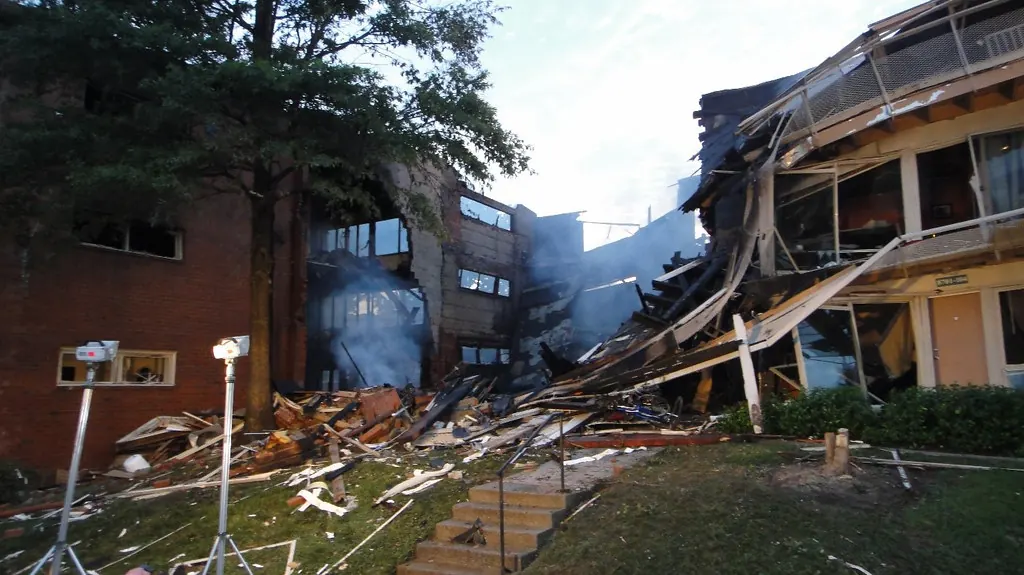
A house fire changes everything in an afternoon. Whether it started in a kitchen in Independence, from an electrical fault in an older St. Louis brick two-family, or from a wood stove in a farmhouse outside Rolla, the claim that follows is one of the most complicated in property insurance. Fire claims involve structural repair, smoke and soot cleaning, contents, and often months of temporary housing. Each piece can be underestimated.
Structure: what burned and what the smoke touched
The burned area is easy to see. The harder question is how far heat and smoke damage extends beyond it.
- Heat damage: framing, wiring and plumbing near the fire may be compromised even if they look intact.
- Smoke migration: smoke travels through HVAC ducts, wall cavities and attic spaces, depositing residue rooms away from the origin.
- Odor: lingering odor often signals residue in insulation or porous materials that cleaning won’t reach.
- Water from firefighting: thousands of gallons of water can soak floors, drywall and the basement.
Clean or replace?
This is the heart of most fire appraisals. Carriers frequently estimate cleaning and sealing where owners and contractors believe replacement is needed.
Hard surfaces
Non-porous surfaces like sealed countertops, tile and metal fixtures often clean well. Light residue on painted walls may be cleanable followed by sealing and repainting.
Porous materials
Carpet, pad, insulation, unsealed wood and upholstered furniture absorb smoke. Cleaning may reduce odor but not eliminate it. Testing for soot and char particles can help show how deep the contamination goes.
HVAC systems
Ductwork that carried smoke may need cleaning or replacement. Flexible duct and duct board are hard to clean thoroughly.
Contents
A fire contents claim can include thousands of items. Carriers often apply depreciation and pricing that don’t match what replacement costs. Appraisal can cover contents value disputes when coverage isn’t in question.
- Build a room-by-room inventory with photos, videos and any receipts you can find.
- Look for replacement prices for comparable items, not bargain-bin substitutes.
- Separate items that can be cleaned from items that can’t.
- Watch the special limits on jewelry, firearms, collectibles and cash.
| Area | Carrier tendency | What we document |
|---|---|---|
| Walls and ceilings | Clean and seal | Residue depth, odor, test results |
| Framing | Leave in place | Char depth, heat exposure |
| Ductwork | Clean only | Duct type, contamination |
| Contents | Heavy depreciation | Inventory, comparable pricing |
Additional living expense
ALE, also called loss of use, covers the extra cost of living elsewhere while your home is repaired. That can mean rent, utilities at the temporary place, added mileage and meals above your normal cost. ALE is usually limited by time, dollar amount or both. A slow rebuild can push you toward the limit, which is one reason prompt resolution of the amount of loss matters. Keep every receipt and a simple log.
Illustrative example only: a kitchen fire estimate might clean every room outside the kitchen while soot testing shows residue throughout the attic insulation and ductwork. The appraisal panel can weigh that evidence when it sets the amount of loss.
Practical notes for Missouri fire claims
If the fire department, insurer or a private investigator is looking into cause and origin, let that run its course. Appraisal isn’t meant to resolve questions about how the fire started or whether the claim is covered. Once the carrier accepts the loss and the dispute is about scope and price, appraisal is often a good fit. Ordinance-or-law coverage may matter if rebuilding triggers current code requirements, especially in older homes. For more on that, see tornado and wind appraisal, where code upgrades come up constantly.
Have the carrier’s estimate in hand? Start with an insurer estimate review before deciding on appraisal.
Questions about fire & smoke damage appraisal
Can appraisal decide whether smoke-damaged items need replacing?
Yes, when coverage is accepted, the appraisal panel can decide the amount of loss, including whether the evidence supports cleaning or replacement costs.
Is additional living expense part of an appraisal?
It can be when the dispute is about the amount owed rather than whether ALE coverage applies. Your policy’s ALE limits still cap the payment.
Should I throw out smoke-damaged belongings?
Not until they’ve been documented and, ideally, inspected by the adjuster. Photograph everything and keep a written inventory first.